Comprehensive Auto Repair Services You Can Trust
Reliable auto repair solutions serve as essential vehicle maintenance. Trustworthy mechanics keep cars functioning optimally and provide protection on the road. Vital characteristics, such as honest communication and fair take the first step pricing, remain fundamental. Still, numerous vehicle owners lack clarity on what to anticipate from their repair shops. Understanding these points can substantially enhance the longevity of their cars and the quality of their driving experiences. What are the key factors to bear in mind?
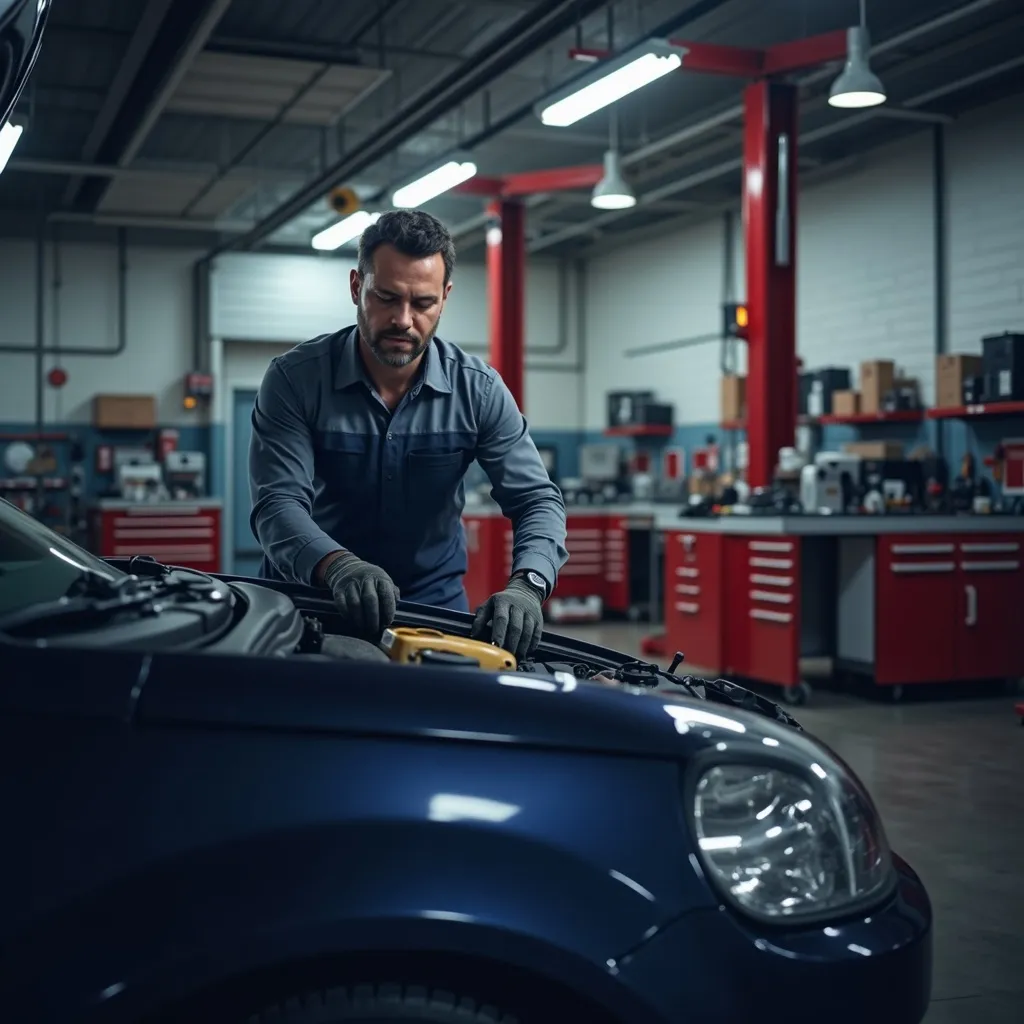
Why Quality and Dependable Auto Repair Options Matter
Reliable vehicle maintenance services are important for maintaining car efficiency and safety, as they directly influence a driver's time spent on the road. Regular upkeep and timely repairs guarantee that vehicles run efficiently, reducing the chances of failures and accidents. A well-maintained vehicle not only improves safety but additionally extends its lifespan, ultimately providing savings to owners money over time.
Moreover, solid options build trust between mechanics and motorists, developing a working relationship that prioritizes the vehicle's condition. When vehicle operators are aware they can trust their mechanic, they are more likely to address issues in a timely fashion, avoiding small issues from escalating into major repairs. This hands-on strategy supports improved fuel economy and operational excellence.
Throughout an exponentially complex automotive landscape, the importance of dependable auto repair services cannot be downplayed. They establish a support system for safe and enjoyable driving experiences, allowing vehicle operators to navigate the thoroughfares with self-assurance.
Essential Qualities of a Dependable Mechanic
A dependable mechanic possesses key traits that foster confidence in their services. Excellent interpersonal abilities ensure that customers comprehend the issues and solutions presented, while clear cost structures build trust and prevent misunderstandings. Together, these qualities form a reliable foundation for successful auto repair.
Powerful Dialogue Competencies
Strong interaction serves as a foundation of confidence between mechanics and their clients. A mechanic who possesses strong communication skills can clarify complex automotive issues in simple terms, guaranteeing clients fully understand the situation. This clarity not only reduces concerns but also fosters a partnership, where clients feel valued and respected. Listening is just as crucial; a reliable mechanic genuinely interacts with clients, addressing their questions and concerns with patience and empathy. Such interactions establish confidence, as clients are more likely to return to a mechanic who shows genuine interest in their needs. Ultimately, strong communication enhances the overall service experience, reinforcing the mechanic's reputation for dependability and professionalism in the auto repair industry.
Transparent Pricing Practices
Clear cost structures form an essential component of a trustworthy mechanic's standing. Clients seek clarity concerning repair expenses, which fosters trust and contentment. A mechanic who provides detailed estimates in advance, encompassing labor and parts, reduces the risk of unexpected charges. This openness enables customers to reach informed choices about their car maintenance. Furthermore, displaying a cost menu for typical repairs can improve credibility, as it demonstrates honesty and candor in dealings. Mechanic shops that communicate any possible additional costs prior to work commences display professionalism and respect for the customer's budget. Ultimately, transparent pricing not only builds enduring connections but also encourages repeat business, as satisfied customers are more likely to suggest the work to acquaintances.
What Services Should You Expect From a Repair Facility?
When searching for auto repair services, customers should be aware of the range of offerings available at a repair shop. Basic maintenance services, diagnostic and repair solutions, as well as specialty services, are essential components of thorough automobile care. Understanding these services can help individuals make informed decisions about their vehicle needs.
Basic Upkeep Services Provided
While many vehicle owners might ignore the importance of scheduled maintenance, knowing the primary offerings presented by a repair shop is important for keeping a car in optimal form. Routine maintenance commonly includes oil changes, tire rotations, and brake inspections. These services help ensure that essential parts work properly and safely. Furthermore, fluid inspections and replacements, like coolant and transmission fluid, are essential for maximized operation. Many shops also offer battery inspections and wiper blade replacements to increase vehicle reliability. Regular maintenance not only extends the operational life of a vehicle but can also enhance fuel efficiency. Vehicle owners should stay educated about these basic services to maintain their cars and prevent more substantial issues later on.
Diagnostic and Repair Approaches
A variety of diagnostic and repair services are vital services provided by auto repair shops to resolve car problems effectively. These services generally include extensive diagnostic testing, which utilizes advanced tools to detect problems ranging from engine malfunctions to electrical failures. Technicians examine error codes and conduct visual inspections to pinpoint issues accurately. Following diagnosis, repair solutions may involve standard repairs such as brake replacements, fluid changes, or battery installations. Additionally, shops often provide specialized repairs for components like transmissions and exhaust systems. A dependable repair shop ensures that all repairs are executed with precision, adhering to manufacturer specifications and safety standards, ultimately improving vehicle performance and longevity. Reliance on these offerings is fundamental for preserving a vehicle's reliability.
Expert Solutions Accessible
Specialty services provided by auto repair shops play an crucial role in ensuring comprehensive vehicle care. These services frequently feature diagnostic technology, hybrid and electric vehicle repairs, and engine optimization. Shops may also deliver aftermarket exhaust systems, suspension upgrades, and wheel alignment services tailored for specific driving requirements. In addition, certain facilities provide detailing services that feature both inside and outside cleaning, protective coatings, and ceramic coating. Tire services, such as rotation and balancing, prove equally important, since they improve safety and performance. Additionally, expert mechanics may specialize on particular manufacturers or vehicle types, ensuring experienced knowledge and service quality. Altogether, these specialty offerings help preserve vehicle longevity and enhance overall performance, making them invaluable to every vehicle owner.
Examining Auto Repair Shops evaluate service centers
What factors should you examine when assessing the trustworthiness of an auto repair shop? Assessing a shop's reputation is important; customer reviews and feedback scores deliver information about their work quality. Websites and service directories specializing in automotive services often display testimonials from former customers, which can help measure trustworthiness. Moreover, qualifications and memberships with professional bodies show a commitment to professional standards.
One important consideration is the shop's clarity regarding rates and services. A dependable shop will give detailed estimates and outline necessary repairs minus pressure. It's also beneficial to go to the shop directly; cleanliness, organization, and quality of tools can show professionalism.
Finally, asking recommendations from loved ones or acquaintances can result in trustworthy choices. By evaluating these elements, one can create educated decisions when selecting an auto repair shop, guaranteeing a positive experience and trustworthy support for their vehicle needs.
Advice for Developing a Long-Term Partnership With Your Mechanic
Trust is crucial in building a long-term relationship with a mechanic. To maintain this trust, regular communication is important. Customers should ask questions about repairs and services, making sure they comprehend the work being performed. Regular visits also is important; returning to the same mechanic allows for a clearer picture of the vehicle’s history and needs.
A essential factor is transparency regarding expectations and issues. Clients who share their driving habits and tastes empower mechanics to provide personalized advice and service. Moreover, demonstrating appreciation for good work through constructive reviews can deepen the bond. In conclusion, being punctual and polite during consultations reflects devotion and trustworthiness, even more solidifying the bond. By nurturing these approaches, automobile owners can create a lasting partnership with their mechanic, producing improved service and calm reassurance.
Savvy Solutions to Cut Down Fix Expenses
Many vehicle owners look for effective strategies to reduce maintenance costs without compromising quality. One smart approach is to upkeep routine maintenance schedules, which can avoid costly maintenance eventually. Staying on top of oil changes, tire maintenance, and fluid assessments ensures that minor issues are resolved before they worsen.
In addition, assessing and contrasting prices from multiple repair shops can generate significant financial advantages. Many establishments feature special offers and price reductions, and customer rewards programs can further decrease outlays. Vehicle owners should also contemplate learning fundamental repair abilities, which can reduce spending for labor costs for small issues.
Moreover, purchasing parts online or from wholesale suppliers can be more affordable than depending entirely on a mechanic's markup. Finally, developing a relationship with a dependable mechanic can result in personalized advice and likely discounts, creating a mutually beneficial partnership that saves money in the long run.
Frequently Posed Questions
How would I confirm if my mechanic possesses the required certification?
To assess if a mechanic is qualified, one should check for industry-recognized certifications, such as ASE. Additionally, reviewing customer feedback and verifying their membership in professional organizations can provide further assurance of their qualifications.
What Coverage Should I Look For on Service?
Customers should anticipate warranties ranging from 90 days to two years on parts and labor. Reputable shops frequently offer documented assurances, guaranteeing peace of mind and demonstrating confidence in their repair quality and commitment to service.
How often Should I Get My Car serviced?
Professionals advise performing maintenance on your vehicle every 5,000 to 7,500 miles, or every six months, whichever comes first. Consistent maintenance guarantees optimal performance, increases your car's longevity, and allows you to catch potential issues before they become worse.
Am I permitted to provide My Own Parts for Repair?
Yes, customers can often supply their own components for repair. However, it's important to confer with the repair shop ahead of time, as some may have policies pertaining to warranties or guarantees associated with outside components.
What May I Do if I'm Unhappy With the Service?
If discontent emerges, the customer should initially express grievances directly to the service provider. Documenting issues and seeking resolution through dialogue frequently results in satisfactory solutions, emphasizing the significance of transparent dialogue in service experiences.